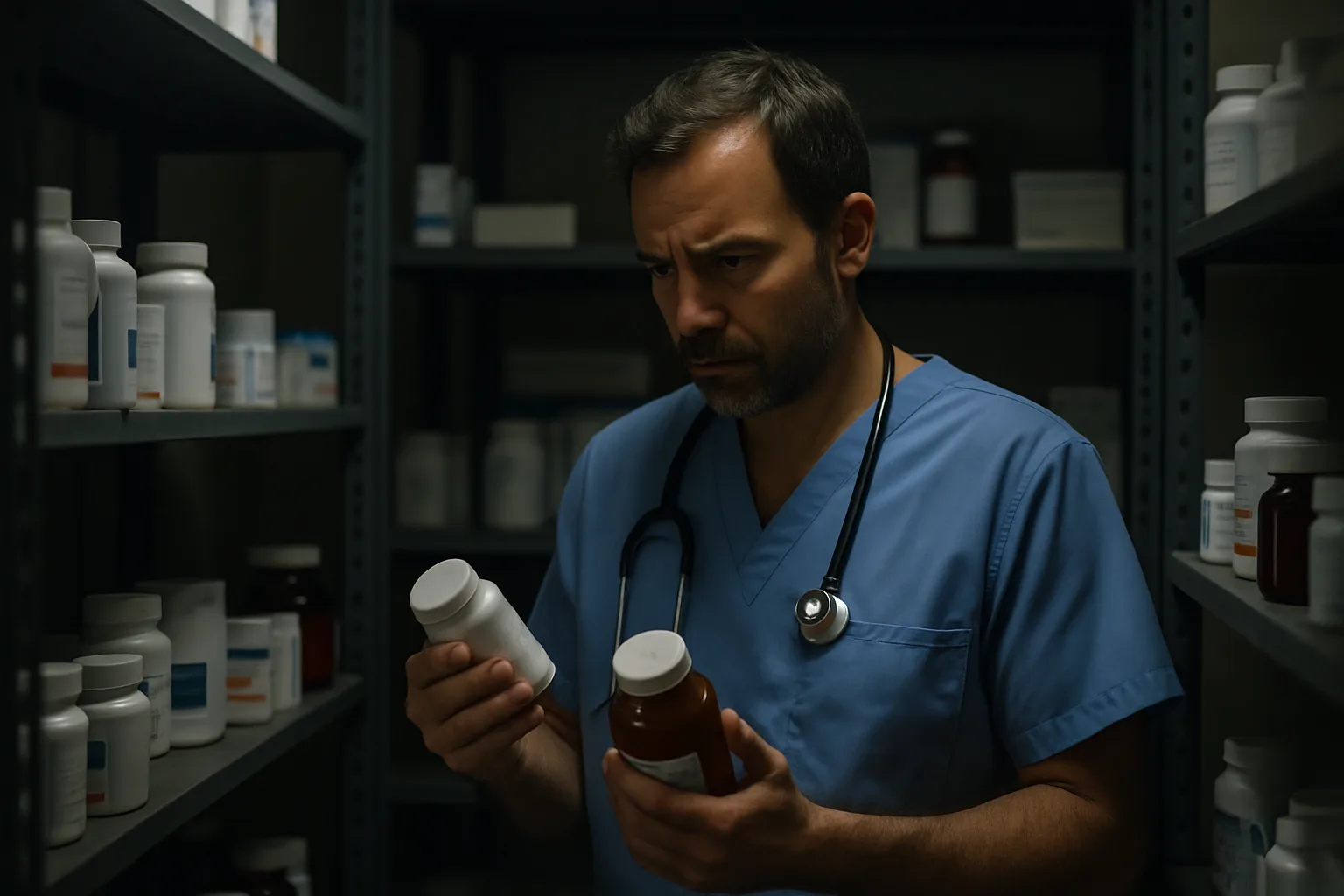
A significant challenge is emerging in the healthcare system as shortages of vital cancer medications persist in the United States. This situation is creating obstacles for both healthcare providers and patients alike.
Many cancer patients are facing delays in receiving their treatments due to the unavailability of essential drugs. These shortages can lead to treatment interruptions or changes, which may adversely affect patient outcomes.
Healthcare providers are reporting increased difficulty in managing patient care amid these shortages. Oncologists and pharmacists are now required to find alternative therapies, which may not always be as effective or well-tolerated as the original medications.
The shortage of cancer treatments is not an isolated issue but part of a broader trend affecting various essential medications across the healthcare system. Factors contributing to this situation include manufacturing complications, regulatory hurdles, and supply chain disruptions.
As the situation evolves, healthcare systems are under more scrutiny. Stakeholders are advocating for systemic changes to address these ongoing challenges and ensure reliable access to necessary cancer treatments.
The medical community continues to monitor the situation closely, looking for solutions to stabilize the supply of cancer medications. Efforts are being made to encourage manufacturers to prioritize key drugs and resolve production delays.
Future recommendations may include enhancing regulatory processes, better inventory management, and increasing support for manufacturers to mitigate the impact of these shortages.
First reported by news.google.com .