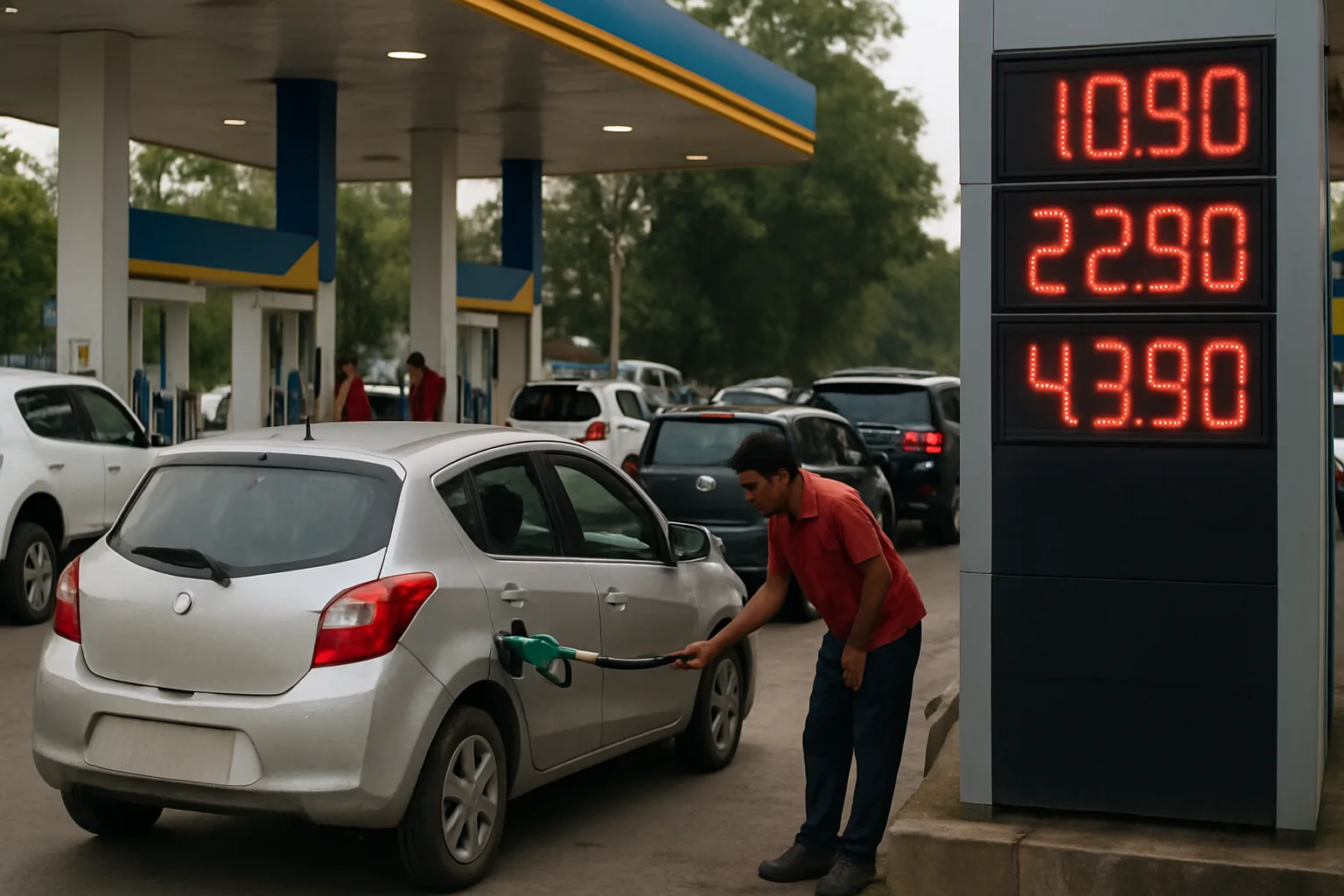
In recent weeks, the prices of petrol and diesel have increased, causing concern among consumers and businesses alike. This upward trend has raised questions about the contributing factors behind these fuel price hikes.
Several elements are believed to be influencing the rising prices of fuel. The global crude oil market plays a significant role, with fluctuations often impacting domestic fuel rates. Additionally, changes in government excise duties and local taxes can lead to price adjustments at the pump.
The international geopolitical climate also affects fuel prices. Conflicts, trade agreements, and production levels in major oil-producing countries may lead to supply chain disruptions, further influencing local market prices.
Furthermore, the ongoing economic recovery efforts post-pandemic have led to increased demand for fuel. As various sectors ramp up operations, the surge in demand puts additional pressure on prices.
Consumers are feeling the impact of these rising costs, as fuel expenses directly affect transportation and logistics costs. This, in turn, may contribute to an increase in the prices of goods and services across various sectors, adding to the burden on households and businesses.
Regulatory bodies continue to monitor the situation with the hope of stabilizing fuel prices. Consumers and industry stakeholders are advised to keep an eye on potential developments that may affect future price trends.
First reported by news.google.com .