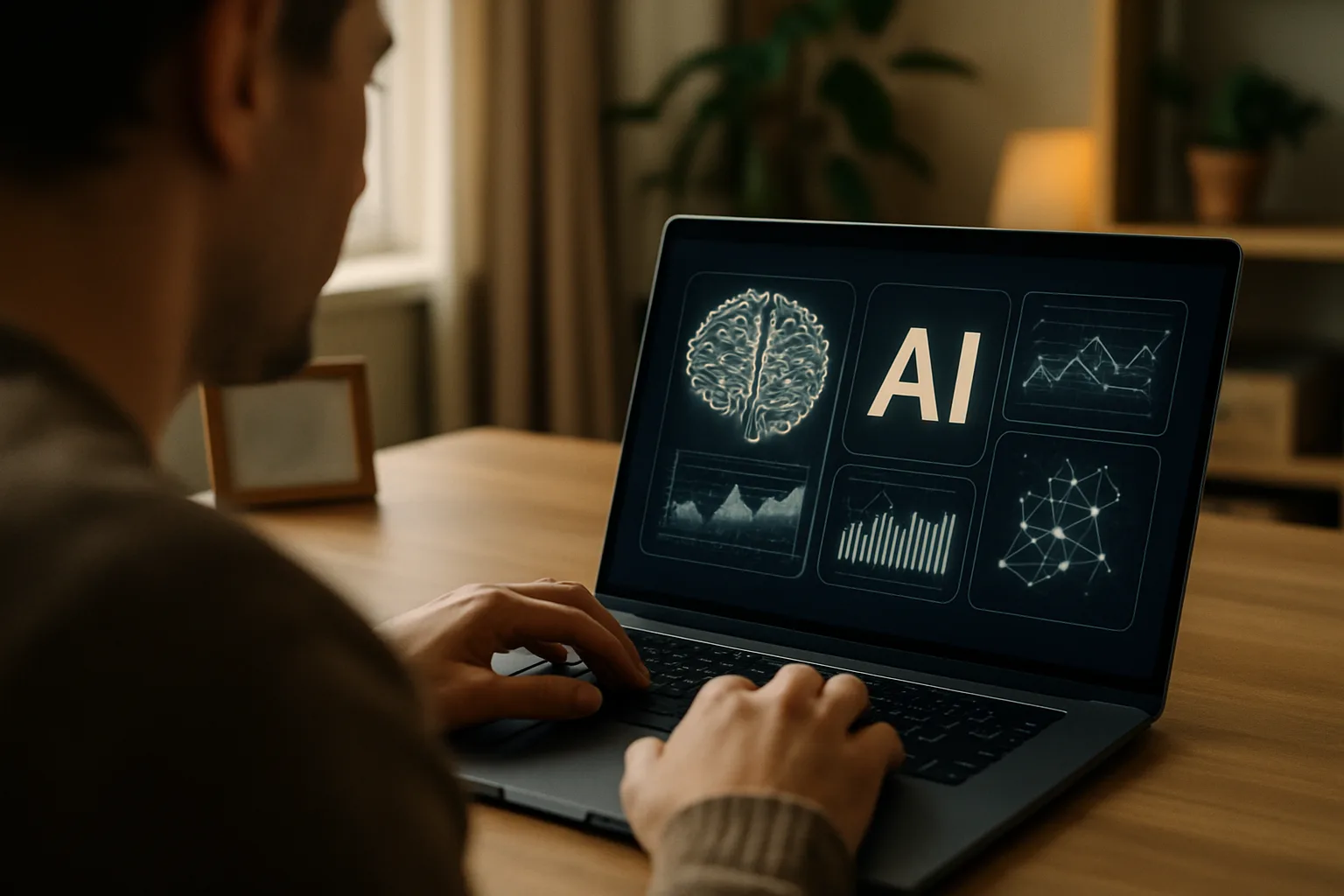
The rise of artificial intelligence (AI) has prompted ongoing discussions regarding its influence on human intelligence. While AI tools are designed to assist in various tasks, their impact on cognitive abilities can vary significantly depending on how they are utilized.
Artificial intelligence is increasingly integrated into daily life, facilitating activities such as information retrieval, data analysis, and problem-solving. However, the reliance on these technologies raises questions about their effect on critical thinking and memory.
Those advocating for the responsible use of AI emphasize the importance of maintaining a balance between leveraging technology and nurturing human intelligence. Training programs focused on developing critical thinking skills alongside AI usage are seen as vital to preserving intellectual engagement.
Furthermore, discussions about ethical AI use highlight the need for transparency in algorithms and their decision-making processes. Ensuring that AI applications do not compromise intellectual rigor is essential as technology continues to evolve.
As the integration of AI grows across different sectors, attention will be required to monitor its effects on cognitive functions. Future studies may provide clearer insights into whether AI acts as a powerful ally or a potential hindrance to human intelligence.
The path ahead will likely involve ongoing evaluation of AI's role in society, focusing on how it can be harnessed to support cognitive growth while minimizing adverse impacts.
First reported by news.google.com .