In recent years, conspiracy theories surrounding the events of September 11, 2001, have gained a notable presence in American political conversations. These theories, which challenge the official narrative of the 9/11 attacks, have increasingly been adopted by certain political groups and figures, influencing public opinion.
The propagation of alternative explanations for the events of 9/11 began shortly after the attacks, but has surged in popularity with the rise of social media. Various claims range from the idea of governmental involvement to cover-ups by intelligence agencies. This phenomenon has been buoyed by a growing distrust in established institutions and the media.
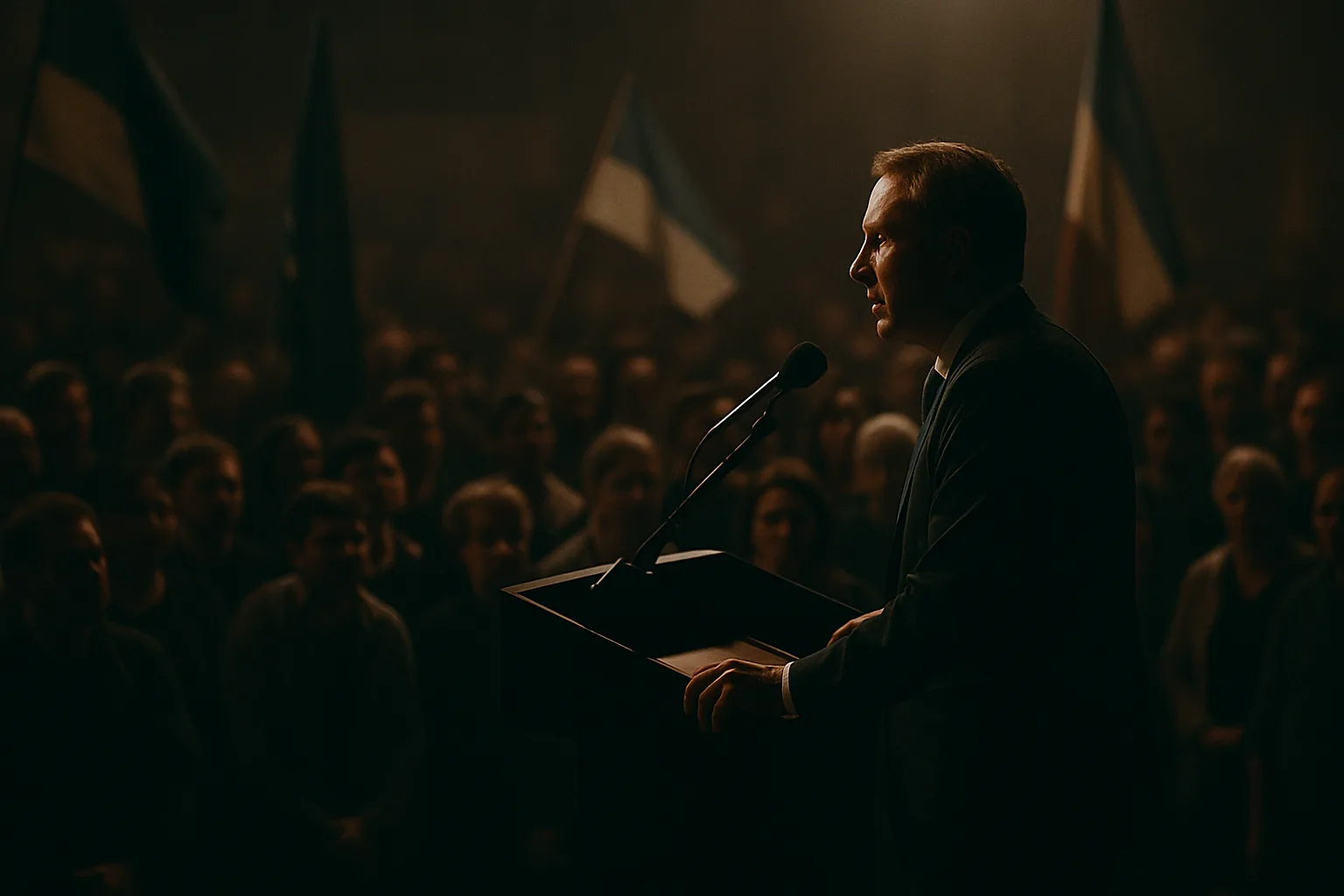
Individuals in prominent political positions have been seen endorsing or entertaining these conspiracies during public speeches and discussions, which has further legitimized these narratives among their supporters. The intertwining of politics and conspiracy theories has not only shaped the views of hardened believers but has also sparked debates within broader political contexts.
This merging of conspiratorial thinking with political rhetoric poses challenges for democratic discourse. As these theories gain a foothold in mainstream politics, they complicate efforts to engage in rational discussions about policy and security.
Looking ahead, the involvement of conspiracy theories in political dialogue may heighten divisions and lead to even further polarization within the electorate. The implications for future elections and governance remain to be seen.
First reported by news.google.com .